Andreas Helland and Erik Windahl Olsen are both from Norway, and both come from the technology side of business, though from different corners of it. Erik built his own company from the ground up and grew it into one of the largest domain hosts in Norway, a business with technology at its core. Andreas spent the first part of his career at Norway's largest broadcaster, where he was part of building its streaming services from scratch. That work eventually led him and a group of colleagues to spin out their own media tech company.
When they met, they both had projects going on, and they kept running into the same wall. Scaling customer support alongside the business was difficult, mainly because the outsourcing partners they could find were running a playbook from the previous decade.
"Finding an outsourcing partner that suited us was incredibly difficult," Andreas says. "It wasn't the focus on efficiency that bothered us. That's a good thing. It was how people were led. Everything was driven by KPIs, and the modern ideas about enabling people and getting the best out of them through intrinsic motivation were almost completely missing."
- Andreas Helland
Moving from a bleeding-edge tech world into the BPO and outsourcing industry was a crash of two worlds. In 2018 they decided to stop waiting for someone else to fix it. The challenge became how to bring their mindset, a human approach to leadership and a deep understanding of technology, into an industry that had seen little of either. "We built the company we could never find ourselves," Andreas says.
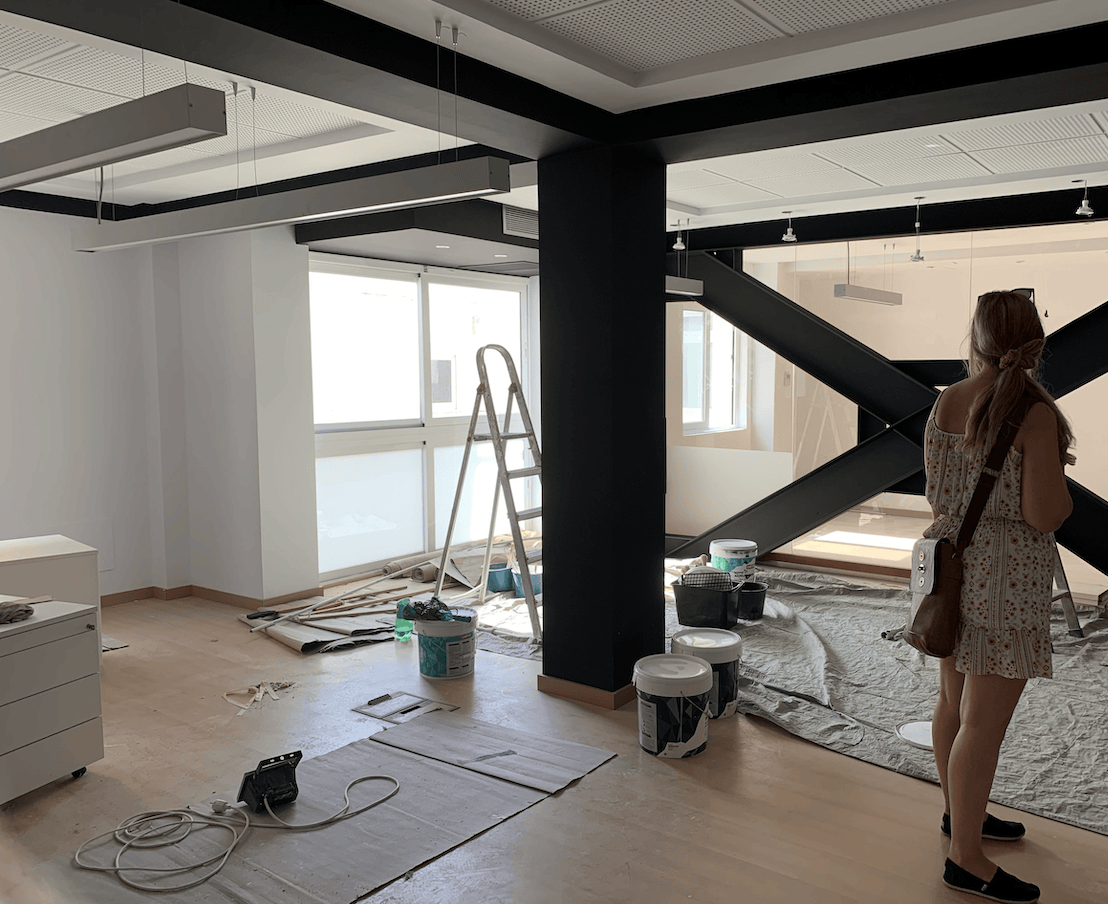
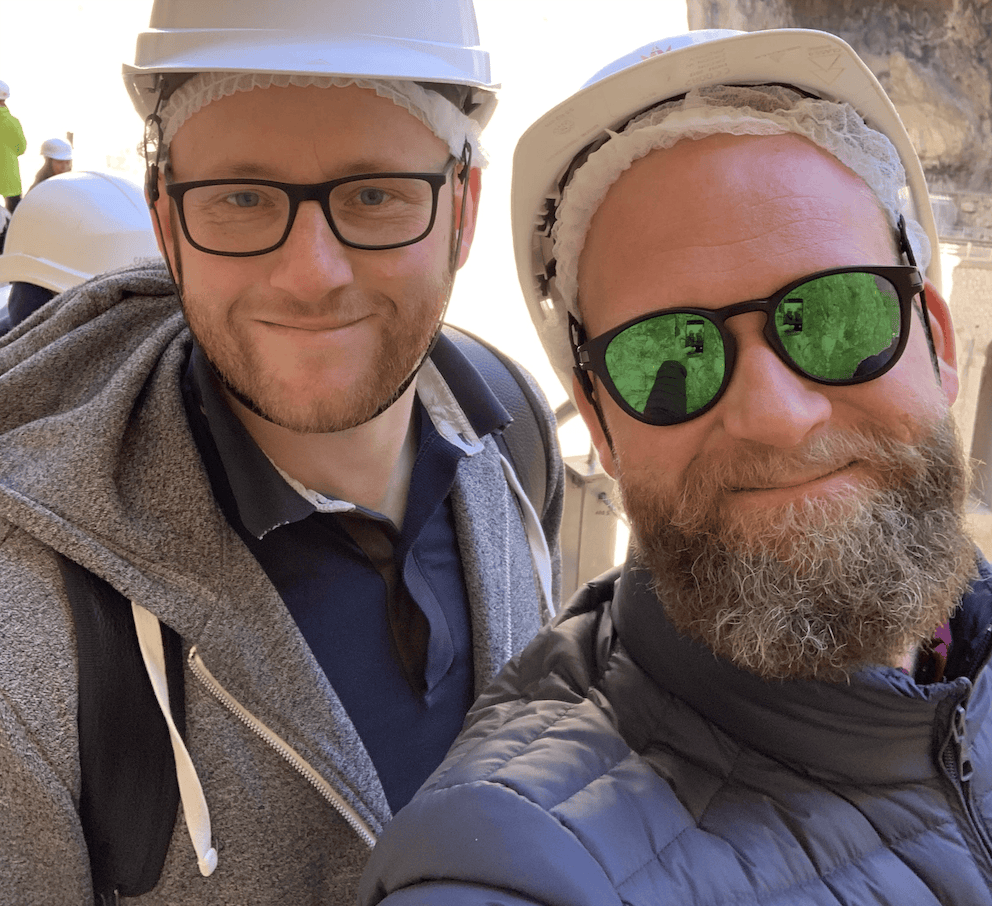
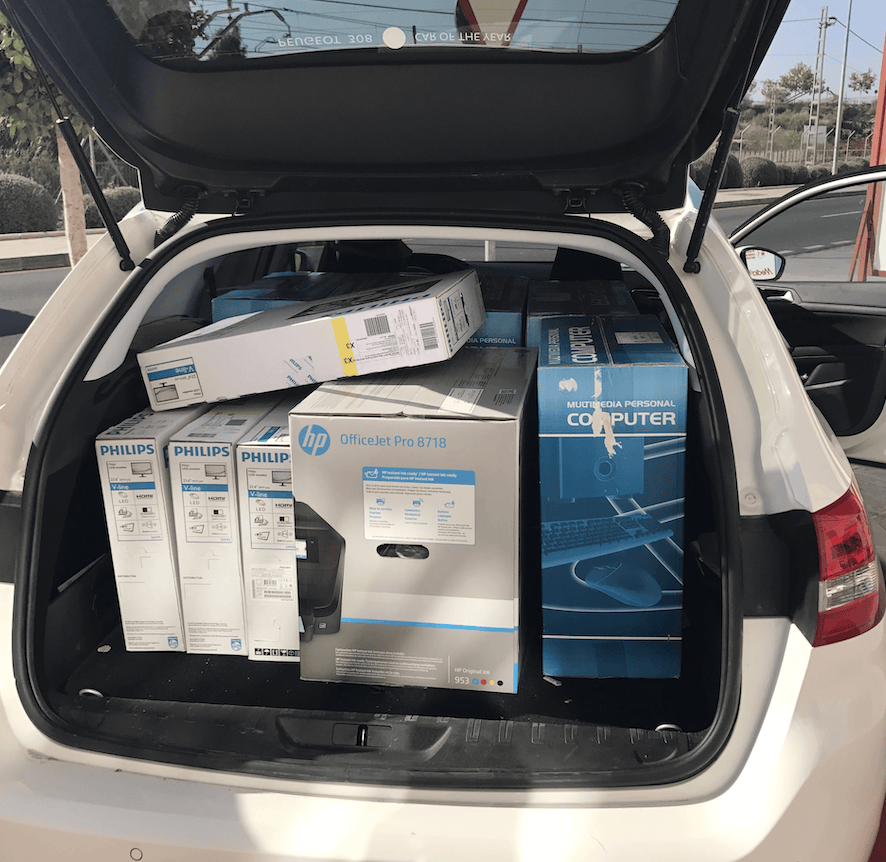
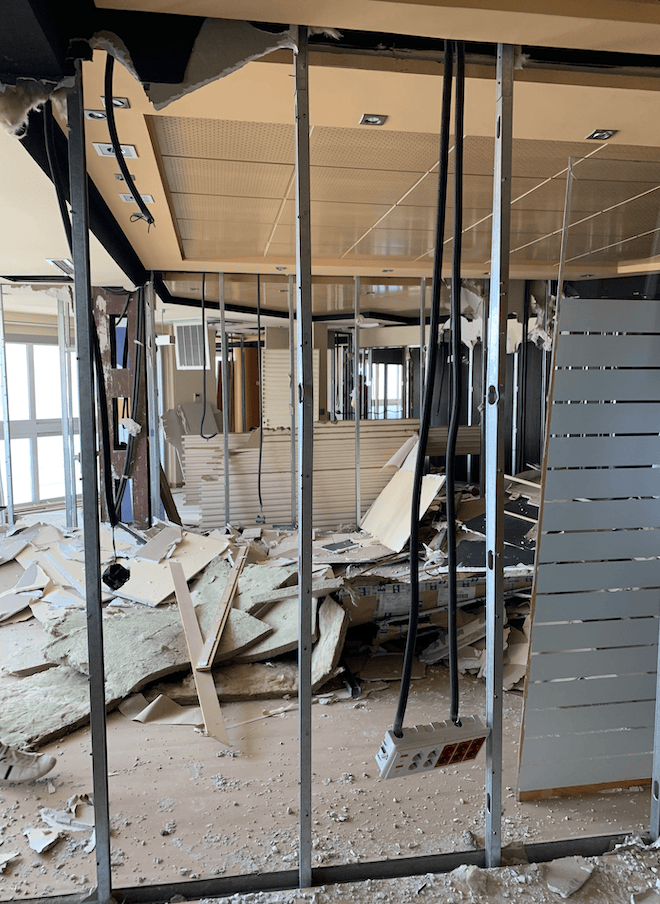
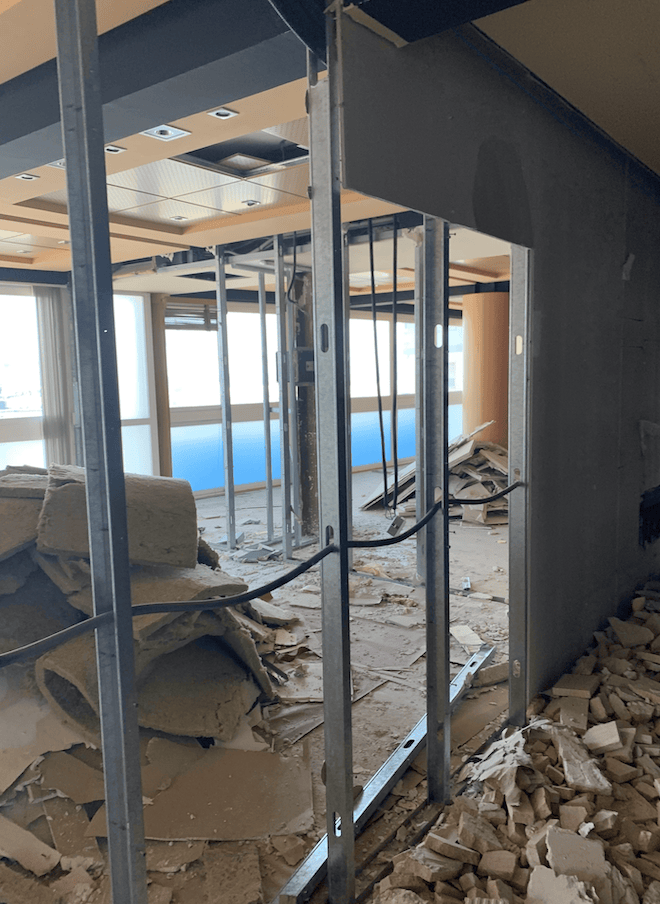
The first images of the would-be office in Málaga, 2019
In 2019 they opened the doors to their office in Málaga, with six people ready to make the vision real. For the first few months, though, they weren't entirely sure who they wanted to be. "We didn't know exactly why we existed when we first started out," Andreas says. "Then we watched how the industry handled its people. Names became numbers, and personality got lost in spreadsheets. Nobody seemed surprised when good, motivated people walked out without looking back."
That is where the company really began.
"It is possible to be great at customer service and do it in a caring, warm and inclusive environment where every individual matters. When people are seen and respected, motivation rises. They take ownership, dare to fail and create good dynamics. But it took time for the market to understand us. We went from six employees in 2019 to more than 200 in 2026. It's like a ketchup bottle. First nothing, then everything at once."
- Andreas Helland
Employee satisfaction was set early as the most important KPI, and it has been measured every single week since the start. The company thrived, and so did its agents. The timing turned out to matter too. Atender entered the industry just as it was on the cusp of massive change, and today there is no way to address customer service without a clear position on technology.
Andreas and Erik also saw that the tools meant to help their agents were holding them back. So they built their own. The first release of the Alia platform came in 2021 and solved a specific problem: letting agents work efficiently across multiple brands in written support.
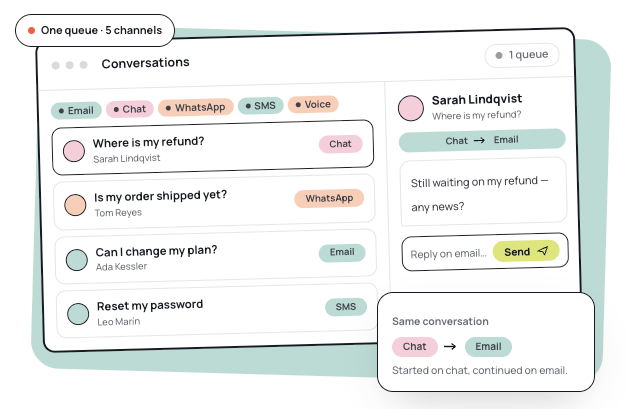
When language models arrived, they changed both what the platform could do and how fast it could be built. Alia grew into a fully fledged, AI-native support platform with people at the center.
Why build rather than buy?
"We believe the future of this industry is a hybrid of people and technology, and that it's a bright one," Andreas says. "It all comes down to solving problems for end users, and we've never been better equipped to do that. We want to own that infrastructure. We don't want Zendesk, Salesforce or anyone else to define our success. Owning it is the only way we can guarantee the end-user experience we care so much about."
- Andreas Helland
Since 2021 there have been three major releases, the latest in 2026, and the development team in Málaga keeps growing.
Atender is ready for what comes next.